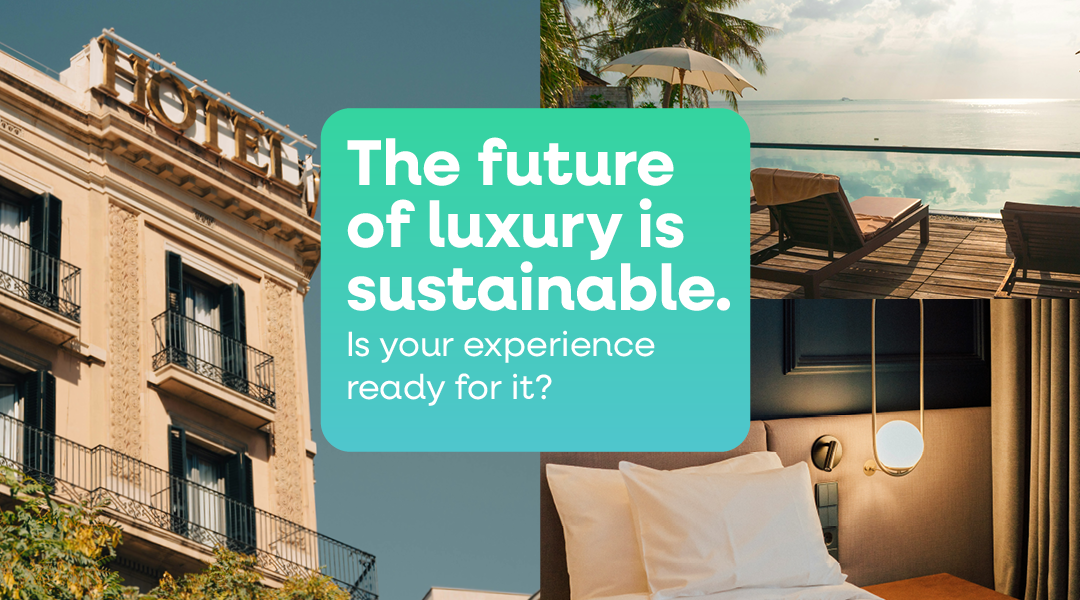

Although many hotels are making sustainability central to their operations, some hotels, especially in the luxury segment, are still hesitant to fully embrace it in their daily practices. There is still a perception that luxury and sustainability do not mix.
After all, luxury is about offering the extraordinary, providing what is desirable rather than essential, creating a sense of abundance and indulgence. Understandably, many hoteliers worry that adopting sustainable practices could dilute that carefully constructed sense of opulence.
Moreover, as of July 2025, "sustainability" is still not a deciding factor for many guests in choosing one luxury hotel over another. In Europe, sustainability is a growing focus of everyday life, but guests come from all over the world and for many it is not a top priority, especially when on vacation or business.
More importantly, sustainability is often associated with sacrifice: reduced service quality, fewer amenities and an experience that threatens to feel like "less than the competition." For a brand built on excellence, this can feel like a risk to both reputation and guest satisfaction.
But at FRHC, we know that this perception is outdated. Luxury and sustainability are not mutually exclusive. In fact, some of the most impactful sustainable practices are completely invisible to guests.
If guests don't care, why should I?
Let's be pragmatic: sustainability is not only an ethical choice, but also a financial one.
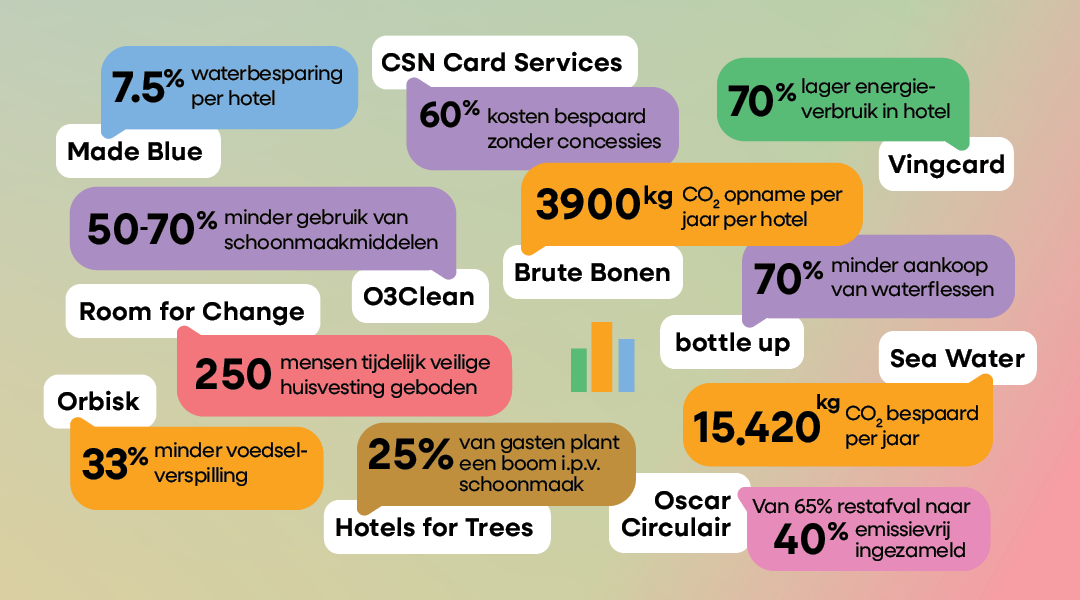
With the rising costs of energy, water, food and regulatory compliance, sustainable operations are often just the right thing to do. Imagine being able to reduce your energy bill by 30%. What would that mean for your bottom line? Or reducing food waste to near zero?
In a time of inflation and rising operating costs, efficiency is key. Savings from sustainable practices can be directly reinvested in improving the guest experience, increasing quality, hiring more staff or creating new personalized services.
And while today's luxury guests (primarily Gen X and baby boomers) may not yet make sustainability a priority in their booking decisions, that is changing. In the next decade, millennials and Gen Z will become the most important customers. These generations are much more interested in a sustainable lifestyle, including their travel choices. It's smart to position your hotel now and think ahead.
What can be done?
There is no one-size-fits-all solution, but here are three key strategies that luxury hotels can employ to build a sustainable base without compromising the experience.
Start with invisible changes that have a big impact
Many luxury properties still operate with outdated infrastructure. Start with an energy audit: Is your building unnecessarily losing heat or cooling? Are your water fixtures efficiently? Are the lights on 24/7 in public areas ?
Upgrading behind-the-scenes systems such as HVAC, lighting and water can yield big savings without your guests noticing.
Prioritize local products and energy sources
A few decades ago, offering products that came from all over the world was the height of luxury. Today's guests, however, are looking more for hyperlocal, artisanal experiences. By sourcing food, art and amenities from the local region, you not only support the community, but also increase the authenticity of your offerings.
Investigate renewable energy solutions such as solar panels or wind turbines and consider rainwater harvesting to irrigate gardens or green spaces. These initiatives are subtle, sustainable and smart.
Invest in personalizing the guest experience
The money saved by sustainable practices does not have to go into the budget. Use it to improve the guest's journey, whether that means upgrading to even higher quality materials, offering customized in-room experiences or hiring an additional concierge to make service even more personalized.
Ultimately, sustainability is not about offering less, but about doing more with more care, intention and creativity.
ES