
January 13, 2026 –
A well-managed hotel is often compared to a ship: everyone on board plays an essential role in providing the best possible experience for all guests. Just as the front-of-house cannot function effectively without the back-of-house, sustainability efforts must be fully integrated across all departments. Real progress in sustainable hospitality is only possible when the entire team is on the same page, engaged, and committed.
When every employee understands their role in sustainability within the hotel, they are more likely to take initiative, proactively solve challenges, and contribute to long-term goals. On the other hand, a fragmented "that's not my job" mentality creates inefficiencies and slows down meaningful change.
Engaging and Motivating Employees
After the pandemic, the hospitality sector continues to face challenges in recruiting and retaining staff. Embracing sustainability can be a strategic advantage, not only for its environmental impact, but also for attracting and retaining employees.
A 2021 Gallup study reveals compelling insights:
-
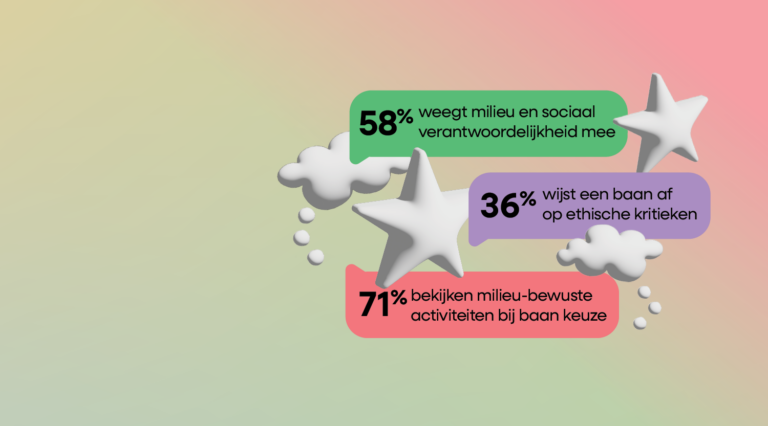
58% of employees consider a company's environmental and social responsibility when choosing an employer.
-
71% of employees consider an employer's environmental performance during their decision-making process.
-
37% of Generation Z and 36% of Millennials have turned down a job based on ethical concerns.
-
40% of Millennials indicate that they chose one job over another because of the company's commitment to sustainability.
With Generation Z already representing 27% of the workforce and more Millennials entering the sector every year, sustainable values are no longer optional. They are expected. Hotels with a clear and credible sustainability program stand out in an extremely tight labor market.
Where to Start
Understanding why sustainability is important is the first step. The next step is to implement it effectively. Although there are numerous resources and toolkits available online, nothing beats the guidance of a trained sustainability professional.
A practical approach is to temporarily engage a CSR consultant or project manager. This expert can:
-
Conduct a sustainability audit to identify key opportunities.
-
Designing and providing a customized training plan for employees at all levels.
-
Establish a hotel-specific Green Committee with clear roles and responsibilities.
-
Develop a one-year action plan, including measurable objectives and performance indicators.
For many hotels, hiring a full-time CSR manager is not financially feasible. However, once a strategic plan is in place, hiring a CSR intern can be a cost-effective way to maintain momentum. Interns can manage internal reporting, organize regular committee meetings, and support daily implementation tasks, all under the guidance of existing management.
Launching CSR initiatives requires time, resources, and commitment, especially in the early stages. Training sessions, strategy meetings, and activities to engage employees take up hours that may seem to fall outside the scope of core business activities. However, these initial investments usually pay off in several ways:
-
Lower operating costs through energy savings, waste reduction, and more efficient use of resources.
-
Improved employee satisfaction and loyalty.
-
A better guest experience and a stronger brand reputation.
To maintain enthusiasm and guarantee lasting results, active support from hotel management is crucial. This includes recognizing the efforts of the Green Committee, allocating sufficient time for CSR-related tasks, and integrating sustainability into the hotel's broader performance objectives.
Conclusion Sustainability is no longer a trend. It is a defining feature of modern hospitality. By providing employees with the right training, support, and motivation, hotels can build a culture of environmental and social responsibility that not only meets today's expectations but also secures tomorrow's success.