
3 september 2026 –
When it comes to reducing a hotel’s environmental footprint, two key areas should be prioritised: food waste and single-use items. In this article, we’ll focus on the latter.
As part of creating a memorable guest experience, hotels often provide a range of complimentary amenities, both in-room and throughout the property. While these extras are appreciated, many of them fall into the category of single-use items and contribute significantly to waste created by the hotel.
Step one: identify the single-use items in your hotel
Start by taking stock of what’s currently being offered. In guest rooms, common single-use items include:
- Paper cups
- Disposable slippers
- Plastic water bottles
- Toothbrushes and single-use toothpaste
- Razors
- Miniature toiletries (shampoo, conditioner, soap)
- Combs
- Tea bags and instant coffee sachets
- Laundry bags
- Certain welcome gifts
Behind the scenes, single-use items can also be found in kitchens (e.g. cling film, disposable containers) and in administrative areas such as printed reports in housekeeping, front office, and management.
Tailor your approach to your hotel category
There is no one-size-fits-all solution. The level of service expected at a five-star hotel may necessitate certain extras, while mid-range or budget hotels might limit these to premium rooms or suites. Regardless of category, the aim is to provide what’s essential without unnecessary waste.
Rethink in-room offerings
Start by determining which items guests truly need. Many travellers now bring their own personal care products, so it’s no longer essential to place razors, toothbrushes, or combs in every room. Instead, offer these items upon request at reception.
Outdated items, such as miniature plastic toiletry bottles, can be replaced with elegant, refillable dispensers fixed to the wall. This not only enhances the visual appeal of the bathroom but also reduces housekeeping workload and restocking costs.
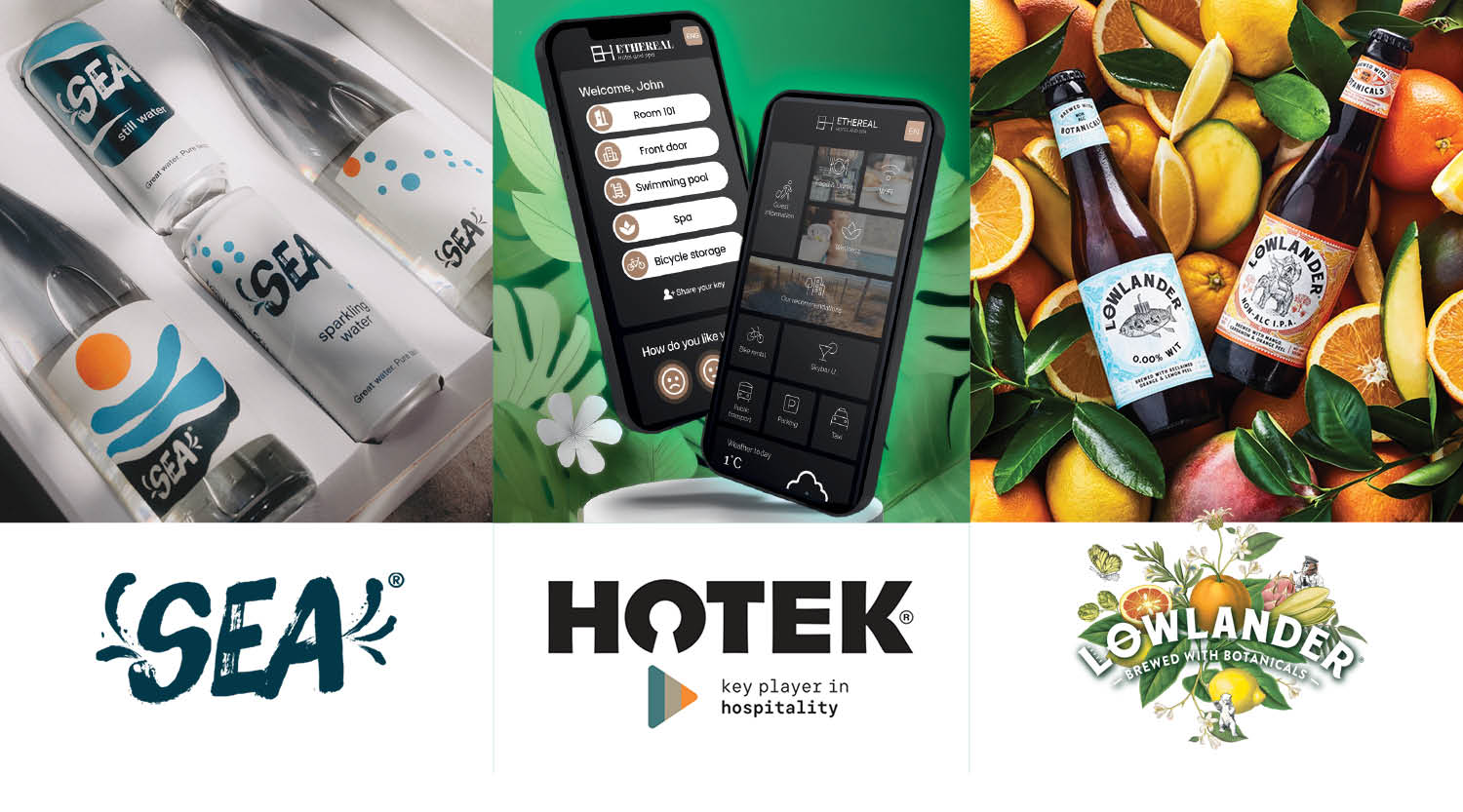
Similarly, replace plastic water bottles with refillable glass alternatives. Branded glass bottles not only look more premium but also significantly reduce plastic waste. Over time, this switch leads to cost savings and a better guest perception of your hotel’s sustainability efforts.
Finally, rethink the welcome gift that could be offered, a whole bottle of wine for one person in room might lead to most of the bottle not being drank and could be replaced with a smaller, more premium bottle. Offering a whole basket of fruit will almost certainly result in most fruit being throw away. In that situation, rethinking the product to be less wasteful can also lead to offering better products!
Plan for operational change
Transitioning to sustainable alternatives can be more complex than it seems. Before implementing changes, assess the impact on operations:
- Which products can be replaced with sustainable alternatives?
- What are the new responsibilities for each department?
- Will new processes affect time and labour in housekeeping, purchasing, or storage?
While eliminating stocked items will save storage space, refilling reusable containers may require more time. Clearly defining these new responsibilities and providing proper training will ensure the transition is smooth and successful.